
By Alexis Wong
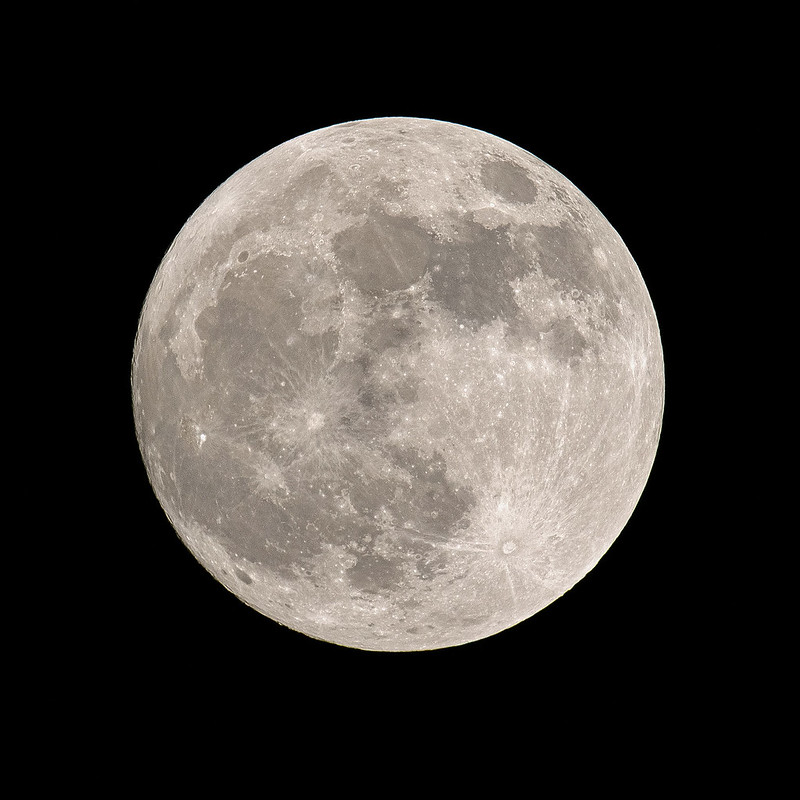
In the past decade, scientists have been attempting to test the lunar regolith samples, which is the layer of unconsolidated debris on the moon. Recently, NASA funded a project that has broken new ground in scientific plant research.
Anna-Lisa Paul and Rob Ferl from the University of Florida were the main analytical scientists who brought forward this project. The Apollo astronauts were part of a revolutionary mission in the early days of the space age. They were to obtain samples of the lunar surface material, known as regolith, and bring them back to Earth for further investigation with cutting-edge technology. They utilized soil samples from the Apollo 11, 12, and 17 missions. The researchers wanted to determine if plants could thrive in lunar soil and how they would react to the new environment.
Arabidopsis thaliana, commonly known as thale cress, was grown in a lab by using lunar soil samples that were gathered on three different Apollo missions. Arabidopsis is commonly utilized in plant biotechnology because the genetic code of the plant is fully identified. Growing Arabidopsis thaliana with lunar soil samples enables scientists to have a better understanding of how different soils from different planets can influence plant growth.
The researchers observed that after planting the seeds in the lunar regolith, the seeds germinated rapidly within a few days. After 6 days, the plants were not as strong and developed at a slower rate. The plant began forming damaged roots, as well as stunted leaves and reddish colouration in some of the experiments.
According to Anna and Rob, the plant’s reaction to the different samples of lunar soil could be related to where the soil was obtained. The plants that exhibited indications of stress were those grown on mature lunar soil. Mature soils are exposed to additional cosmic wind, which changes their composition. Therefore, plants that were cultivated on less developed soils performed better. As scientists travel to new locations in space, this scientific discovery could offer additional nourishment to astronauts’ diets and support potential human observation in space.
Works Cited
NASA. “Scientists Grow Plants in Lunar Soil.” NASA, NASA, 12 May 2022, https://www.nasa.gov/feature/biological-physical/scientists-grow-plants-in-soil-from-the-moon. Accessed 14 June 2022.
Torchinsky, Rina. “Scientists successfully grow plants in soil from the moon.” NPR, 14 May 2022, https://www.npr.org/2022/05/14/1098753238/scientists-grow-plants-soil-moon-nasa-university-of-florida. Accessed 14 June 2022.
The World Economic Forum. “Scientists grow plants in lunar soil for the first time.” The World Economic Forum, The World Economic Forum, 18 May 2022, https://www.weforum.org/agenda/2022/05/scientists-grow-plants-in-lunar-soil-for-the-first-time/. Accessed 14 June 2022.
 Titan Times