
By: Ananiya Narmathan and Rachel Yik Ting Lau
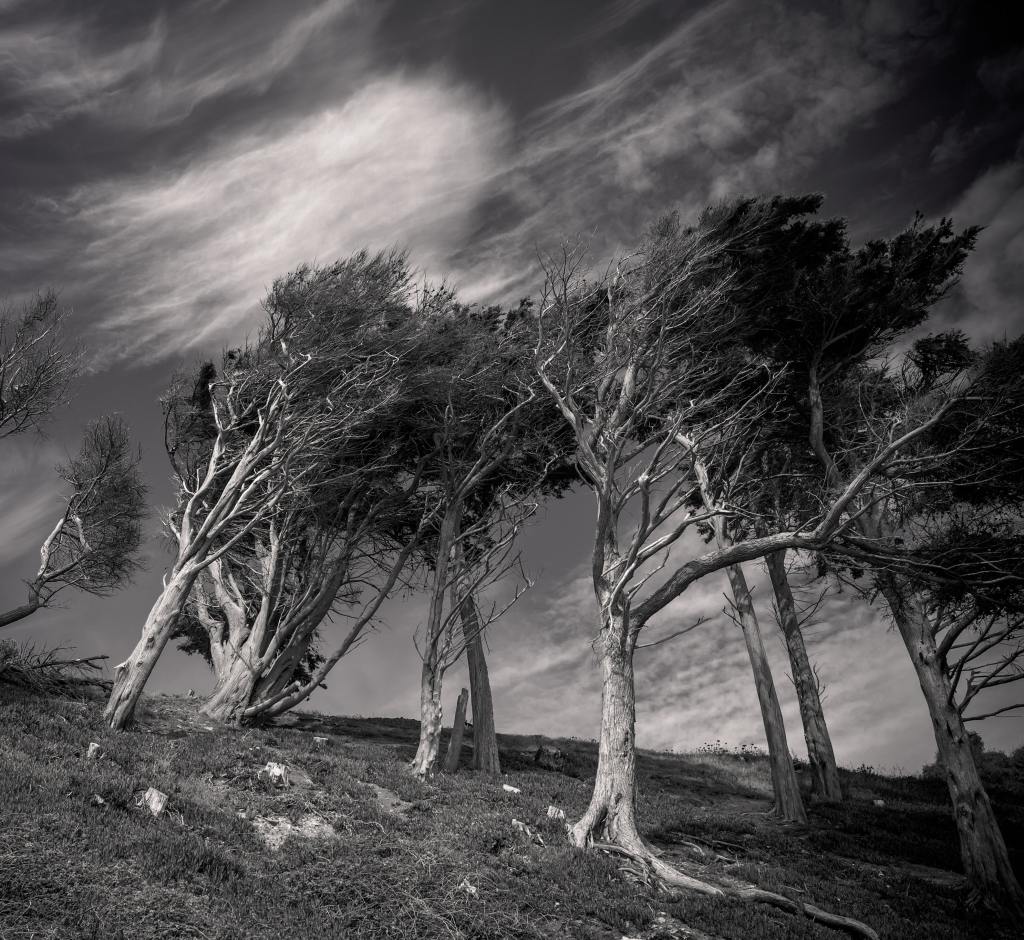
Climate change is a topic that’s been discussed in schools for months, years, decades, and though most of its effects are felt gradually, Hurricane Fiona was something nobody was prepared for. On a 1-5 category rating, Hurricane Fiona fits into category 4 as it sustained winds of near 130 mph. This hurricane severely affected citizens of the Maritime provinces, destroyed historical natural wonders and all in all, is a consequence of climate change.
Resident Effects
All of the maritime provinces were severely affected as hundreds of thousands of residents were relocated and evacuated their damaged homes. In Nova Scotia, there was a breathtaking amount of damage across the province. Healthy trees were uprooted, hundreds of broken poles and power lines have been identified. In Prince Edward Island, nearly all households lost electricity at one point and New Brunswick saw flooding along with widespread power outages.
Natural Wonders Destroyed
- Teacup Rock (Before and After) — this sandstone rock, in the shape of a teacup, has been a historical landmark in Thunder Cove Beach on Prince Edward Island. However, after hurricane Fiona, the only thing left was the flat rock it was stationed on.
- Shubenacadie Tree (Before and After) — this 300 year old Red Oak Tree, an iconic part of Nova Scotia, was struck down by Hurricane Fiona. Once a popular tourist and photographic spot has now become nothing but memories.
Climate Change Influence
Canada’s Changing Climate report released in 2019 expressed that fossil fuel emissions are contributing to the rising intensity of storms that form in the Atlantic and north of the Canadian Coast. With water temperatures increasing, so is storm energy. Warmer water gives moisture and heat into storms like Fiona, increasing their longevity and giving them a wider path of destruction. This storm broke a lot of records for wind speeds across the region.
Housing and infrastructure was destroyed both close to shore and further inland. Climate change adaptation in urban planning—such as higher seawalls, tidal flats and marshes— is crucial to absorb some of the sea’s fury and minimize the impacts for the next storm.
Hurricane Fiona is only a glimpse of the tragedies that the future holds if climate change isn’t mitigated. It’s now or never. As the Maritimes make a steady recovery, the rest of the country, the world must enact change to prevent similar disasters from happening globally.
Works Cited:
Hernandez, Joe. “Canada’s Atlantic Provinces Begin to Recover from Historic Damage Caused by Fiona.” Opb, OPB, 25 Sept. 2022, http://www.opb.org/article/2022/09/25/canada-atlantic-provinces-begin-to-recover-from-historic-damage-caused-by-fiona/.
“Hurricane Winds on Trees.” Unsplash, unsplash.com/photos/WtmaXZE5P4Y.
Jones, Alexandra Mae. “These Natural Wonders in Canada Were Lost to Fiona.” CTVNews, CTV News, 27 Sept. 2022, http://www.ctvnews.ca/canada/these-natural-wonders-in-canada-were-lost-to-fiona-1.6085571.
Tutton, Michael. “Fiona Demonstrated Wild Hurricane Future and Need to Adapt to Climate Change | CBC News.” CBCnews, CBC/Radio Canada, 6 Oct. 2022, http://www.cbc.ca/news/canada/nova-scotia/fiona-adapt-climate-change-1.6607966.
 Titan Times

