
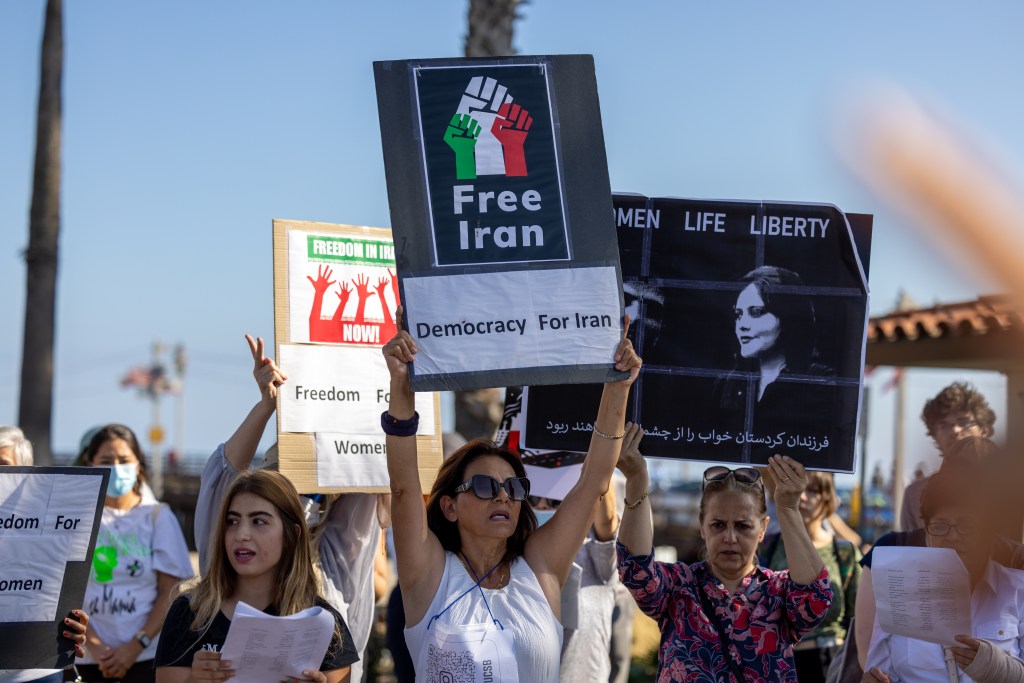
Photo by Brett Morrison, CC BY 2.0, via Wikimedia Commons
By Tina Nasiri
A name that you can recognize from the news and social media is Mahsa Amini, a 22-year-old Kurdish Iranian woman who passed away after being detained by Iran’s morality police. Her death in September has caused huge anti-regime protests to erupt in not only various Iranian cities, including Yazd, Shiraz, and Mashhad, but also across the world.
For 43 years, Iranian women have been denied equal rights to men, being forced to wear hijabs and modest clothing. 3 days after being detained for supposedly not wearing her headscarf properly, Mahsa Amini was pronounced dead. Despite claims by witnesses and family members that she was beaten to death by the morality police, the Iranian government has stated that she passed away due to pre-existing health conditions.
In the protests within the country, mainly consisting of young Iranians, women are burning their hijabs and cutting their hair, chanting “women, life, freedom” and “death to the dictator” to end their repression and take back their freedom. These have resulted in hundreds of arrests, injuries, and deaths, with security forces attacking protestors with a variety of weapons. These people wounded by the excessive violence of the police often avoid getting treatment at hospitals since some protesters have been detained while attempting to get medical help. Medical professionals have even said that the government has been demanding that they stop secretly treating injured protesters. As a result, these protesters have been contacting doctors of other countries through social media for medical advice on treating wounds, like gunshots or burns. The violence of the police hasn’t ended on the streets, as Sharif University of Technology’s students were attacked with teargas and shotguns. Many were arrested at their protests on the campus and transferred to Evin Prison, most known for its abuse of human rights.
Even through these cruel conditions, Iranians have continued to risk their lives for the chance of freedom and in hopes of leading a new revolution.
Sources
Karadsheh, Jomana, and Tamara Qiblawi. “A barrier of fear has been broken in Iran. The regime may be at a point of no return.” CNN, 5 October 2022, https://www.cnn.com/2022/10/05/middleeast/iran-protests-regime-intl/index.html.
Saberi, Roxana. “Iran protesters shot by police so afraid to go to hospitals they’re asking U.S. doctors for help online.” CBS News, 11 October 2022, https://www.cbsnews.com/news/iran-news-protests-deaths-people-shot-afraid-hospital-arrest-us-doctors-help/?intcid=CNI-00-10aaa3a.
 Titan Times