
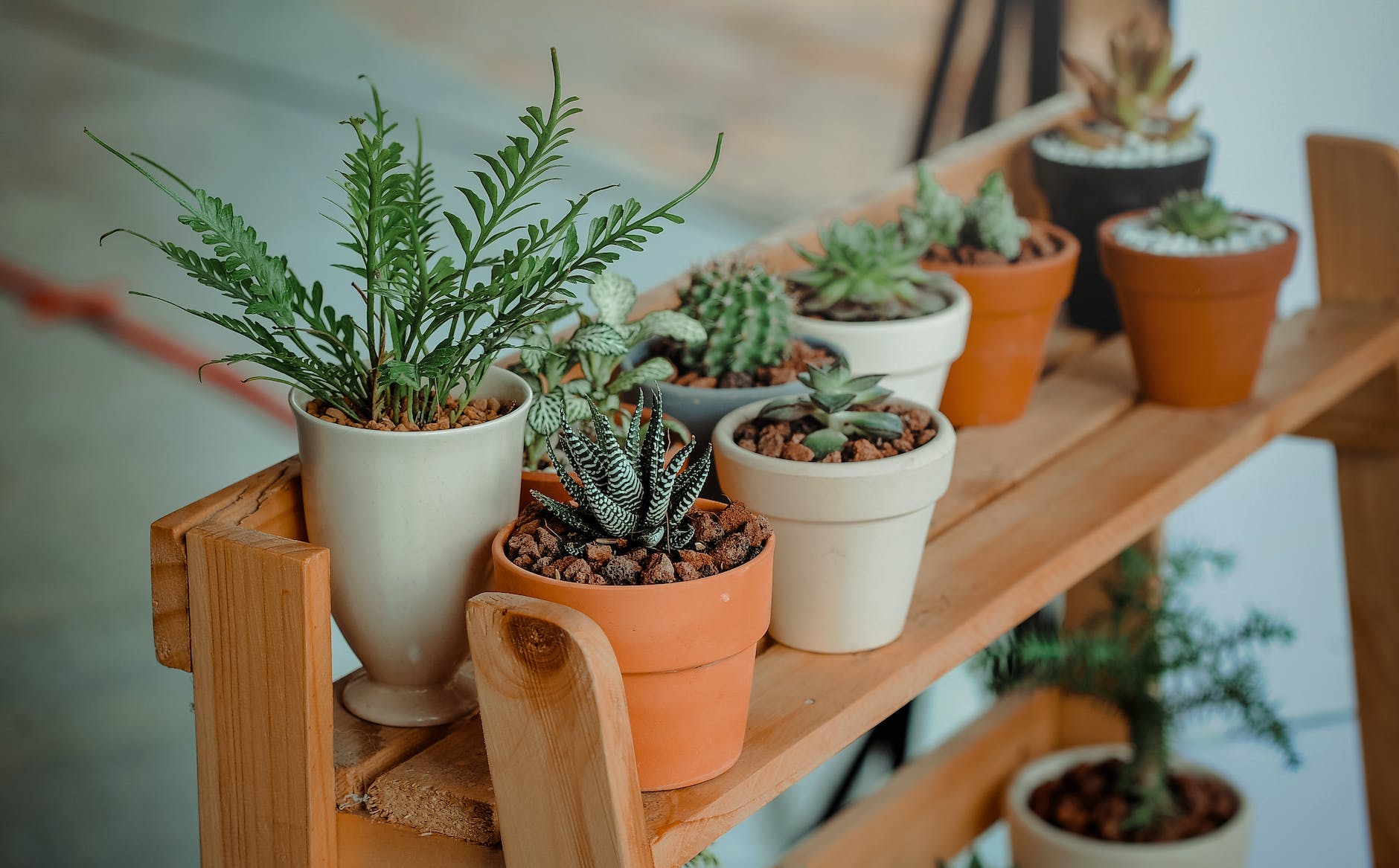
1. Find A Plant That Is Best Suited For You!
Every person is different, meaning that everyone has different tastes. In the world of plants, some aren’t meant for you. Just like how there are specific dog breeds suited for a person. You just need one that suits you! If you find yourself as a lazy person, it may be easier for you to buy a plant that requires minimal maintenance. Whereas if you find yourself as a person who likes to maintain things, finding a plant with a lot of maintenance may just be the right one for you.
Now, that does not mean you can only have one type of plant, you can have various species as long as you are capable of managing all of them. But most important, make sure to do research! Some flowers require a lot of growing space but then others so make sure to search it up before you buy it.
3. Choose The Right Spot!
Sunlight is crucial to your plants as all plants need it for photosynthesis. Choosing a space near the window is the best option as it will be able to absorb the solar rays when sunlight goes through the glass. But be careful! Some plants need more sunlight than others and it is noticeable when needed. Their leaves, which are supposed to be a smooth rich green color, may turn yellow or a pale green, indicating that it needs to be closer to a window. Or when you notice its figure is leaning towards the direction of the sunlight, place the plant in the area of where the sun is shining to. This will maximize the spread of sunlight on your plant and feed nutrients so your plant is healthy.
4. How To Water Plants
Make sure you know what your plants’ watering needs are as some require more water well others may not. Big plants tend to need more water whereas smaller plants only need a little.
Watering your plants is a very easy job as long as you don’t overwater or underwater them. Finding the balance between may be tricky at first but you’ll get the hang of it once you start taking care of your plants in the long run. But you must always check the soil for you to water them. The soil drains the water quite quickly so if you see the water lingering around on top of the soil, it may be from overwatering it. And if your soil doesn’t seem to be wet at all, it may be wise to add just a bit more water to them.
When pouring water, make sure to not pour directly onto the leaves. This will do nothing for plants as it is their roots that need it in order to grow.
5. Keep An Eye Out On Your Plant!
It is important that you look out for your plants every once in a while! While buying plants, there may be insects lurking around the soil and leaves, this is fine in some cases but many insects harm the plant by cutting it and laying their eggs. Some other insects can transmit diseases, infecting the rest of your plants as they slowly die. In order to prevent this from happening, try and cut off as many dead leaves as pests and insects are more attracted to dead leaves than healthy ones.
Works Cited
Guenther, Christine. “Your Plant Probably Needs More Light – Here’s How to Tell – WildFlower – WildFlower.” WildFlower Florist, 24 July 2020, https://www.wildflowermd.com/blog/your-plant-probably-needs-more-light-heres-how-to-tell/. Accessed 29 November 2022.
Joy Us Garden. “Top 11 Essential Tips for Indoor Plant Care (2022).” Joy Us Garden, 14 December 2021, https://www.joyusgarden.com/indoor-plant-care-for-beginners/#10-prune-when-needed. Accessed 29 November 2022.
 Titan Times