
By Ariana Siu
Picture by Neel, Andrew on Pexels.
This collection of ancient finds will bring out your inner mystery geek. Hop aboard this series of the world’s most perplexing mysteries.
1. The Octavius
The Octavius, an 18th-century schooner, disappeared on her return journey from China to London in 1762. 13 years after it had vanished, it was spotted floating off the coast of Greenland. The crew was sent to inspect the ship and were met with a chilling discovery. At the bunks was the entirety of the 28 crew members frozen solid to the bone, their positions depicting their last moments. The captain was also found frozen to death with a pen in his quarters, his wife and young son nearby. The way that the bodies were positioned upon death has left experts scratching their heads, especially upon discovering that the ship’s captain was simply writing in his log before instantly freezing to death. The ship seemed to be an upsetting scene – forever frozen in time.
2. Nazca Lines
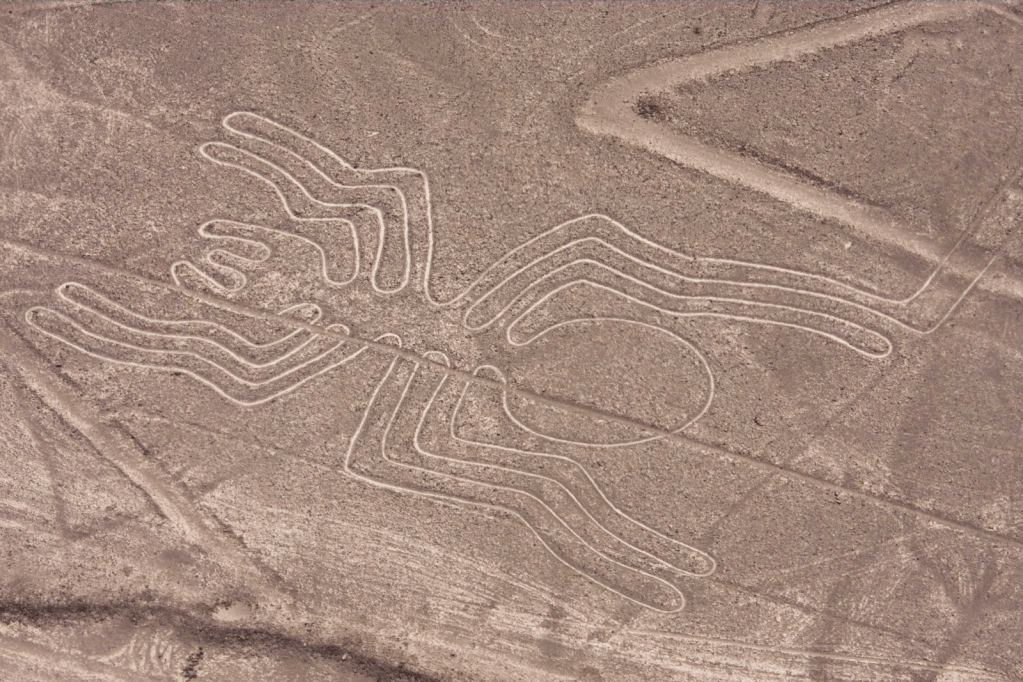
Located in Lima, Peru, the Nazca Lines are a collection of gigantic geoglyphs depicting various ancient symbols engraved into the ground. It is believed that the Nazca culture, active from approximately 100 B.C. to A.D. 700, was behind the creation of the magnificent Nazca Lines. They were created by removing the top 12 to 15 inches of rock, revealing the lighter-colored sand below which showed stark contrast against the rust-coloured top layer. The low precipitation, wind and erosion levels in the desert preserved these interesting clues which may point to the ancient peoples’ way of living. However, these inscriptions’ primitive usage remains cryptic to anthropologists. While conspiracy theorists linked the Nazca Lines with aliens, recent research suggests that these geoglyphs were part of a ritual to the gods of the Nazca people, in hopes of water being delivered to the arid domain of the land.
3. Skara Brae
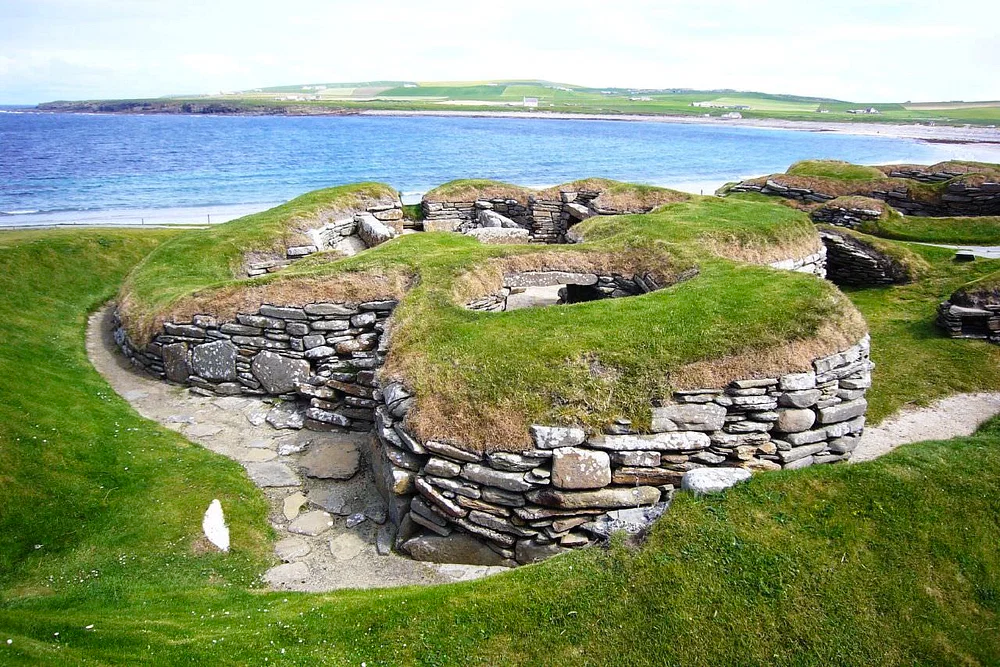
Skara Brae is a ghostly stone village on the outskirts of the Orkney Islands, Scotland. It was discovered in 1850 when a storm struck the site and washed away much of the sand and soil burying it. Considered one of the best-preserved Neolithic sites in Europe, the architecture of the stone houses remains, amazingly, mostly intact. There was even a drainage system and indoor toilets. This raises the question of why such a developed community of farmers, hunters, and artisans abandoned the village at around 2500 B.C., and the cause is still unknown. The lack of human remains excludes the possibility of warfare.
Works Cited
Nazca Lines, 4 December 2017, https://www.history.com/topics/south-america/nazca-lines. Accessed 23 April 2023.
Brigden, James, and Jo Rowan. “Forget the Flying Dutchman, these creepy ghost ships are completely real.” Sky HISTORY, https://www.history.co.uk/articles/forget-the-flying-dutchman-these-creepy-ghost-ships-are-completely-real. Accessed 23 April 2023.
Greenspan, Jesse. 10 Unsolved Ancient Mysteries | History.com, 13 March 2023, https://www.history.com/news/unsolved-ancient-mysteries. Accessed 23 April 2023.
Leigh, Lex. “The Chilling Mystery of the Octavius Ghost Ship.” Ancient Origins, 9 January 2023, https://www.ancient-origins.net/unexplained-phenomena/octavius-0017769. Accessed 23 April 2023.
Mark, Joshua J. “Skara Brae.” World History Encyclopedia, https://www.worldhistory.org/Skara_Brae/. Accessed 23 April 2023.
“10 Archaeological Mysteries from Around the World.” National Geographic Expeditions, https://www.nationalgeographicexpeditions.co.uk/news/10-archaeological-mysteries-around-world/. Accessed 23 April 2023.
 Titan Times