
By: Abby Ezechiels
Oh my stars!
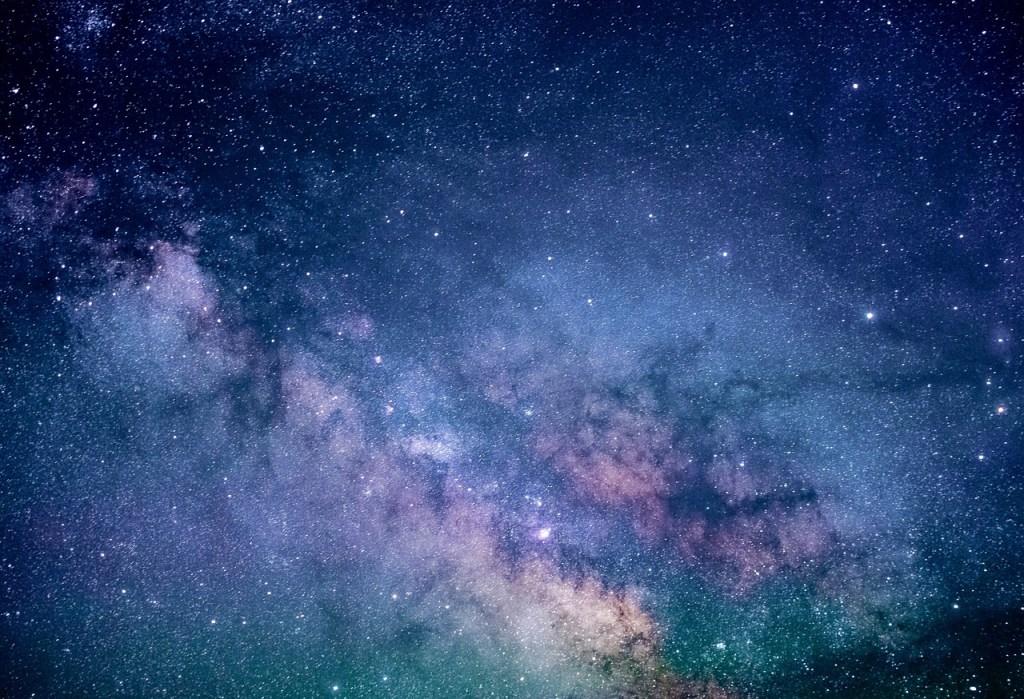
We just wrapped up Global Astronomy Month, a month where every year, stargazers gather to observe and admire the universe’s greatest view: space. Far from the lights and sounds of the city, billions of stars can be seen from all around the world. Millions of lightyears away, we take this time to ooh and ahh at these fantastic wonders.
The study of astronomy dates back all the way to the babylonian era, where it eventually blossomed to serve as the foundations for Greek, Indian, and Islamic astronomy. Suddenly, people were mapping the sky, creating calendars, and charting star formations. Some believed (and still believe) that stars and planets had special meanings.
In 1600, the telescope was invented, a magnifying tool allowing astronomers to see distant planets and stars from the comfort of their roof. Since then, our understanding of other planets and how they differ from earth has skyrocketed (no pun intended).
And thanks to these discoveries, we know super interesting facts about space, like how it’s completely silent!
It all became so fascinating that in 1973, Doug Begrer, President of the Astronomical Association of Northern California, declared April as THE month to marvel at the celestial discoveries. Within that, there is astronomy week. Within THAT, there’s astronomy day. Basically, it’s all about astronomy in April.
So, what can you do next year to properly celebrate Global Astronomy month?
Well, there’s many public places you can visit to look at and learn about stars, even if the lights of your city tend to cover them up. For example, plan a trip to a planetarium: a domed theater that projects images of space onto the ceiling, providing you with a human-made sky to point at in amazement.
Or, buy a telescope for yourself and see what you can find!
Happy stargazing!
Work Cited:
“Global Astronomy Month.” National Today, 5 Oct. 2022, nationaltoday.com/global-astronomy-month/.
Drake, Stephen A. “A Brief History of High-Energy Astronomy: 1600 – 1699 ERA.” NASA, NASA, 7 Aug. 2015, 16:11, heasarc.gsfc.nasa.gov/docs/heasarc/headates/1600.html.
 Titan Times