
By: Ariana Siu
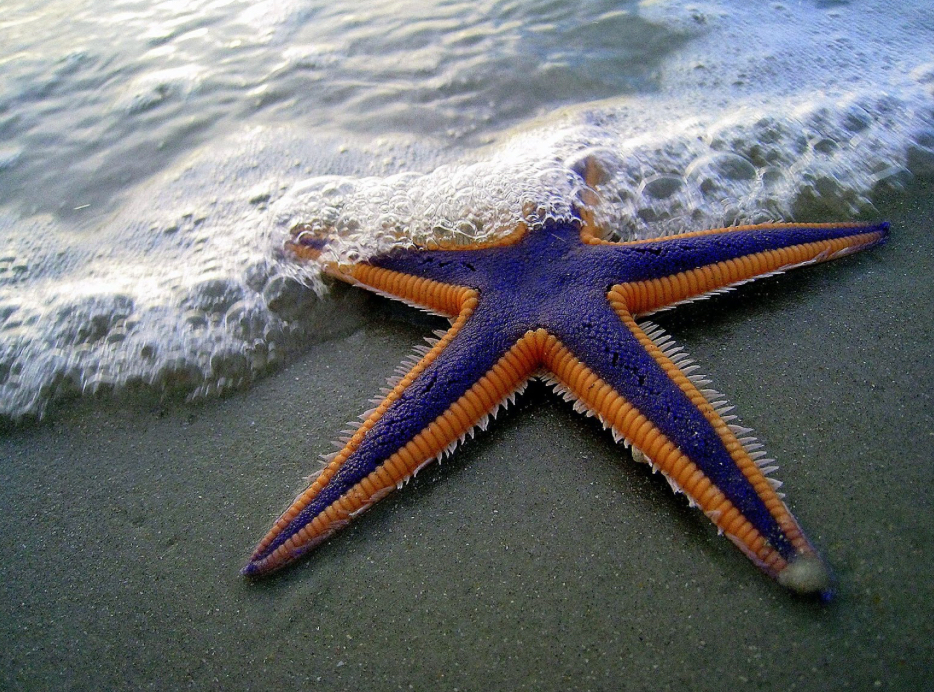
Photo Link Picture by Walz, Mark on Pexels.
Interesting organisms are plentiful on this rapidly changing planet we call home. From hardy microbes to extraordinary aquatic creatures, these animals have unusual abilities that baffle wildlife biologists and are subjects of scientific research.
1. Tardigrades
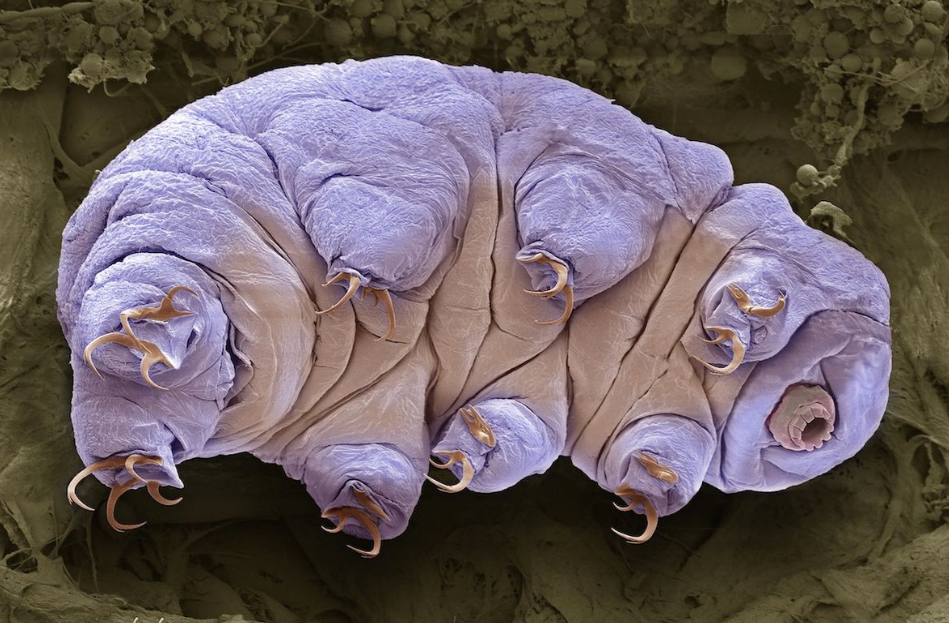
Photo Link Picture from LiveScience
Do tiny, microscopic creepy-crawlies creep you out? If so, brace yourself for this one! Tardigrades are eight-legged segmented organisms with barrel-like bodies. They have rubbery looking skin and gaping mouths that make them resemble a creature from a horror movie. Colloquially referred to as water bears or moss piglets, tardigrades can be found in the most austere conditions, such as extreme pressure, hazardous radiation and high temperatures. Tardigrades have great self-preservation mechanisms, and were the first animals to survive in outer space (Shiffer and Wagh).
2. Nudibranchs
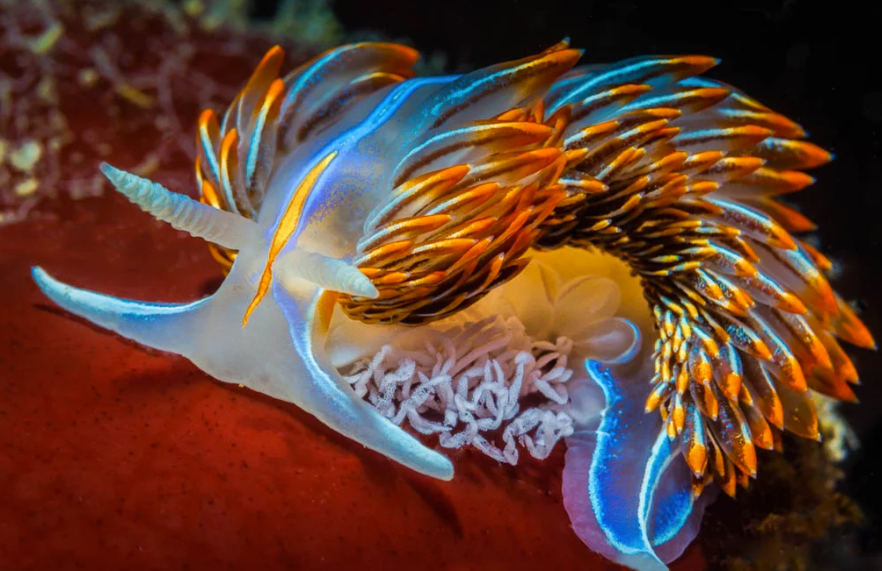
Photo Link Picture from Canadian Geographic
These one-of-a-kind sea slugs are admired for their bright hues and interesting shapes. Their scientific name, Nudibranchia, comes from the Latin word nudus and the Greek word brankhia, which together mean “naked gill,” as per the gills on their bellies. Nudibranchs (pronounced NEW-dee-bronk) are mollusks that defend themselves from predators by camouflage, releasing foul-tasting substances or attacking with their stinging cells (Britnell and Britnell).
3. Dugongs
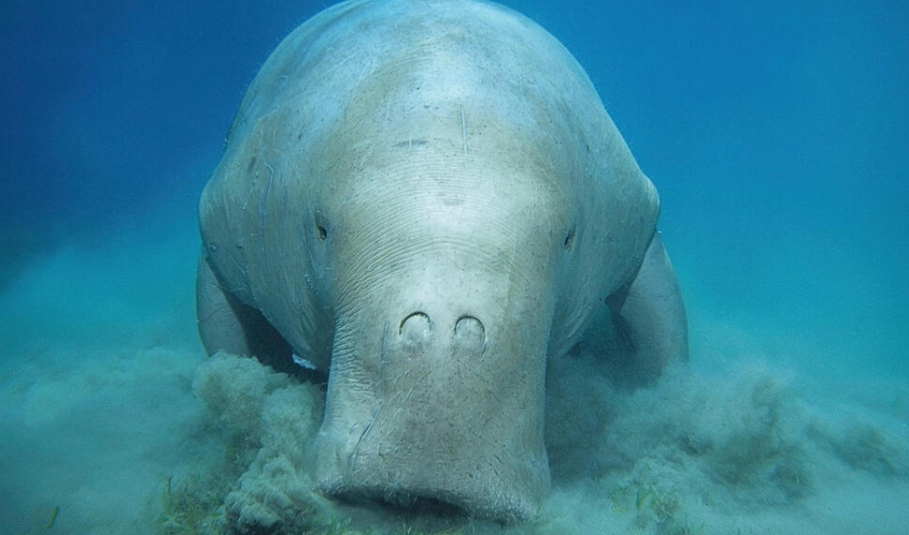
Photo Link Picture form WWF
Dugongs were believed to have been mistaken to be mermaids by humans in the past because of their distinctive fluke-like tails. Also known as “sea cows”, they can grow to a hefty 3 metres and weigh over 400 kg (“Dugong – Great Barrier Reef Foundation”). Albeit gigantic, they are peaceful sea creatures that frolic in the Indian and western Pacific Oceans and are equipped with downturned mouths that they use to feed on seagrass. However, their livelihoods are facing severe threats as coastal developments and water pollution deplete them of food sources and dwellings to promote population growth. In fact, they are often victims of bycatch and have been deemed a vulnerable species. Dugongs are the only living representative of the family Dugongidae with its closest modern relative, Steller’s sea cow, having been hunted to extinction in the 18th century.
Works Cited
Bradford, Alina. “What are tardigrades and why are they nearly indestructible?” Live Science, 7 September 2022, https://www.livescience.com/57985-tardigrade-facts.html. Accessed 15 November 2023.
Britnell, Jett, and Kathryn Britnell. “What is a nudibranch? Meet the “high fashion models” of the ocean depths.” Canadian Geographic, 12 March 2019, https://canadiangeographic.ca/articles/what-is-a-nudibranch-meet-the-high-fashion-models-of-the-ocean-depths/. Accessed 15 November 2023.
“Dugong – Great Barrier Reef Foundation.” Great Barrier Reef Foundation, https://www.barrierreef.org/the-reef/animals/dugong-facts. Accessed 15 November 2023.
“Dugong | Species.” WWF, https://www.worldwildlife.org/species/dugong. Accessed 15 November 2023.
Liles, Maryn. “50 Weird Animals from Around the World (Photos).” Parade Pets, 14 June 2023, https://paradepets.com/birds/weird-animals. Accessed 15 November 2023.
Shiffer, Emily J., and Manasee Wagh. “45 Coolest Animals: The Most Extreme Things Creatures Do To Survive.” Popular Mechanics, 19 January 2023, https://www.popularmechanics.com/science/animals/g28857063/most-extreme-animals/. Accessed 15 November 2023.
 Titan Times