
Photo by Laura Diniz, CC BY-SA 4.0 on Diario Carioca
Written By: Hermione Kwok
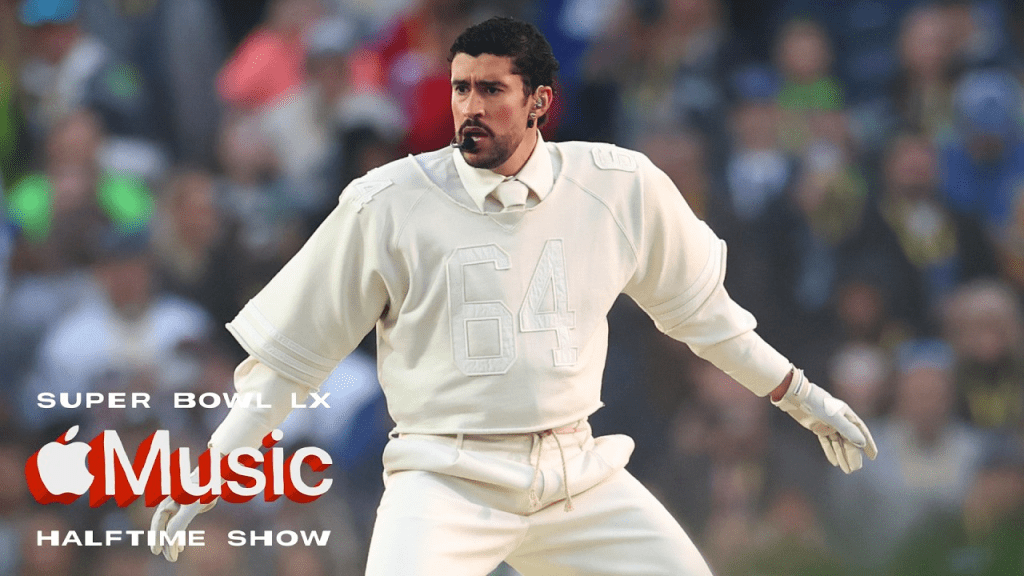
When the halftime show began, few people could have predicted just how powerful the performance would be. Bad Bunny did not just step onto the stage, he transformed it entirely. In a halftime show filled with energy, meaning, and unforgettable visuals, the global Spanish pop-star delivered a performance that will be talked about for years to come after the final whistle.
Opening with a dramatic entrance, Bad Bunny emerged surrounded by dancers and flashing lights, instantly commanding the audience’s attention. The bass of his music pulsed through the stadium as he launched into a series of his hits, blending in reggaeton, trap, and Latin pop into a seamless musical experience. Every moment of his performance felt intentional, from the choreography to the lighting and the pacing of the setlist.
What truly set this performance apart from all the others was its storytelling behind the performance. Rather than just performing his songs, Bad Bunny used his stage presence to represent his journey, from his early journey in Puerto Rico to becoming one of the most influential artists in the world. Visual elements, including urban-inspired backdrops and symbolic imagery, reflect themes on aspects of identity, culture, and resilience.
The dancers also played a critical role in the performance, bringing an extra layer of excitement and precision to the show. Their routines, combined with Bad Bunny’s own natural presence, created a dynamic performance that was impossible to look away from. At times, the entire field seemed to be moving as one, creating a powerful sense of unity between the performers and the performer.
Another standout moment came almost midway through the show, when the energy took an unexpected turn. In a surprising twist, the stadium became a setting for an actual live wedding ceremony between the two, Eleisa Aparicio and Thomas Wolter. As the music softened, the couple took center stage, surrounded by lights and a crowd, exchanging their vows in front of thousands of spectators and millions at home. The heartfelt moment added a deeply personal element to the performance, creating a pause that felt both intimate and unforgettable. Just as the ceremony concluded, the mood shifted twice more, setting the stage for a dramatic reveal as Lady Gaga and Ricky Martin appeared, launching the show back into high gear.
Social media quickly exploded with comments and reactions, as fans not only praised the music but also the cultural significance of the show. Many highlighted how the performance celebrated Latin identity as a global phenomenon, something that has not only been fully represented in events of this scale. For younger viewers, the moment felt inspiring, a sign that music from diverse cultures and backgrounds continues to shape mainstream culture.
As the show reached its finale, fireworks lit up the sky while the beat dropped one last time. Bad Bunny closed with a message stating, “The Only Thing More Powerful Than Hate is Love”, singing his famous hit, “Debi tirar mas fotos” from his last album, and featured a backdrop of all the flags from the Americas, highlighting all of them. This amazing closing left fans energized and wanting more. It was a fitting end to the performance that balanced entertainment with meaning.
In the end, this halftime show was not just about music; it was about impact. Bad Bunny proved that performances at this level could be both visually spectacular and culturally significant. By bringing aspects of authenticity, creativity, and pride to the stage, he did not just meet the expectations, he completely refined them.
Works Cited
“Bad Bunny Mentions Canada During Super Bowl Halftime Performance: Fans React.” Billboard Canada, 9 February 2026,
https://ca.billboard.com/music/latin/bad-bunn-canada-super-bowl. Accessed 1 April 2026.
“That wedding during Bad Bunny’s halftime show? It was real.” NBC News, 8 February 2026, https://www.nbcnews.com/pop-
culture/music/wedding-bad-bunnys-halftime-show-was-real-rcna258093. Accessed 1 April 2026.

